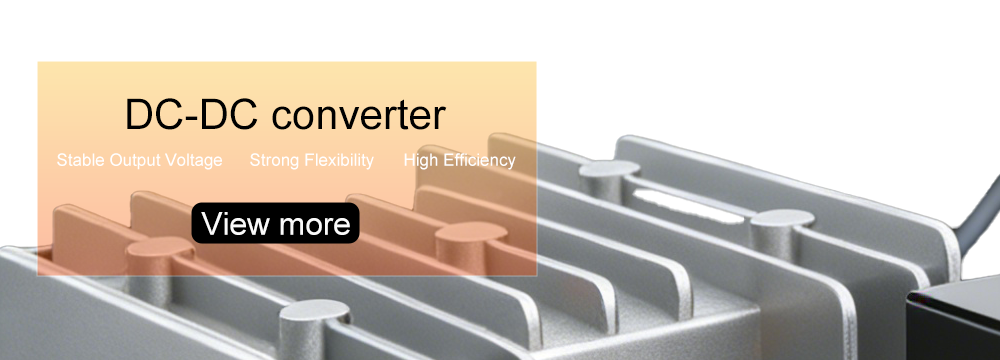
Picking the right DC-DC converter for a water treatment plant isn’t just about voltage matching. It’s a key engineering call that impacts system reliability, rule compliance, and operating costs.
Water treatment systems work in harsh spots. Low-quality industrial DC-DC converters can break sensors, trigger sudden shutdowns, or even stop the system entirely.
That would cut clean water supply. So knowing how to choose the right converter is crucial—it keeps power components supporting the plant’s key work.
To find a converter that fits your water treatment needs, focus on these key points:
1. Built for the Environment: The First Step to Reliability
Water treatment plants are harsh places—no two ways about it. Equipment has to deal with dampness, strong chemicals, huge temperature swings, and nonstop shaking. Your DC-DC converter needs to handle all this without breaking down.
Ingress Protection (IP Rating)
IP rating is just a fancy way of saying how well the unit keeps out dust and water. For wet areas—like near filters or where chemicals are added—go for at least IP65.
If the converter might get temporarily submerged or hit with really high humidity, pick IP67 or IP68. These ratings keep water out and protect the electronics inside.
Corrosion Resistance
The converter’s case should be stainless steel or have tight seals. This protects it from corrosive gases like chlorine, ozone, and hydrogen sulfide.
It also guards against salt spray. That’s pretty common near the coast or in plants that use lots of chemicals.
Wide Temperature Range
The converter needs to work whether it’s scorching hot or freezing cold. A temperature range of -40°C to +85°C is perfect. This keeps the converter running steady all year and helps it last longer.
Vibration Resistance
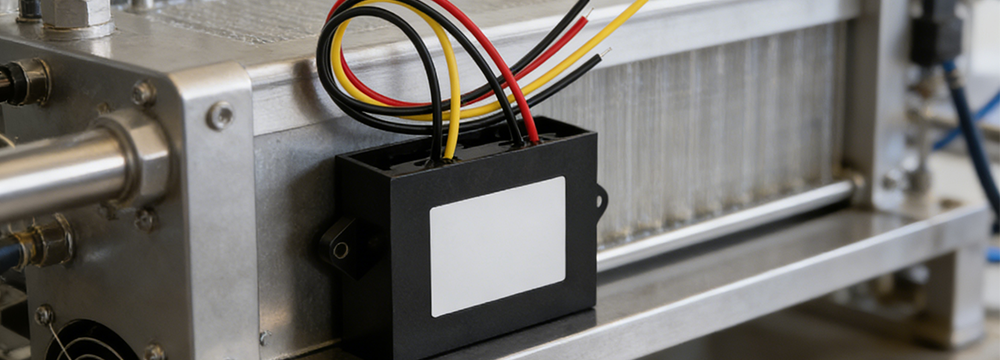
Pumps, motors, and valves shake constantly. Pick a converter with strong inner parts and secure mounting—like one made for DIN rail installation.
This keeps it firmly in place and lowers the chance of breakdown over time.
2. Input Voltage and Power Fluctuations
Industrial power supplies aren’t always steady. Your converter needs to handle real-world voltage changes without failing.
Input Voltage Range
Choose models with a 2:1 or 4:1 input voltage range—for example, 9–36 VDC or 18–75 VDC. This helps with voltage drops from long cables, inconsistent generators, or battery discharge.
Surge and Transient Protection
Built-in surge protection, electrostatic discharge (ESD) defense, and reverse polarity protection are a must.
3. Output Quality: Giving Modern Equipment the Right Power
Today’s water treatment relies on highly accurate measuring tools and parts. Electrical noise or power changes can directly hurt their performance.
Power Regulation
Make sure the line and load regulation stay within ±1%. This keeps the power stable even when the input voltage changes or the load varies.
Enough Power Capacity
The converter’s power rating should be at least 20-30% higher than the peak load. This extra capacity handles startup currents and prevents overheating damage over time.
4. Safety and Reliability Features: Critical Protection
Water treatment plants fear sudden equipment shutdowns most. They bring public health risks and big financial losses—so safety and reliability of DC-DC converters must come first.
Electrical Isolation
Electrical isolation is super important. Pick industrial converters with 1kV to 3kV DC isolation—it acts like a "firewall" between system parts.This stops high voltage from damaging low-voltage circuits. It also keeps grounding issues from messing with measurements, making data more accurate and the system safer.
Comprehensive Protection Circuits
When choosing a converter with comprehensive safety protection features, you should pay close attention to the following points:
Overvoltage/Undervoltage Protection: Triggers power reduction or shutdown during faults to avoid damage.
Overtemperature Protection: Shuts down if cooling fails or temps get too high.
MTBF: Prioritize industrial models with long MTBF, meeting strict standards like MIL-HDBK-217F.
High MTBF means tough materials and reliable design—perfect for 24/7 water treatment operations.
Pick converters that work at over 90% efficiency under normal load. High efficiency uses less power and generates less heat.
This cuts down on cooling needs and helps nearby components in the control room last longer.
5. Energy and Thermal Management: Reducing Costs and Heat Buildup
Power waste leads to higher energy costs and more heat. Both are detrimental to enclosed industrial systems.
High Efficiency
Pick converters that work at over 90% efficiency under normal load. High efficiency uses less power and generates less heat.This cuts down on cooling needs and helps nearby components in the control room last longer.
Good Thermal Design
Choose converters with good heat-handling features. Examples include chassis-mounted cases or convection cooling designs.
This means you don’t need extra cooling fans. It reduces maintenance work and saves space in small industrial setups.
6. Regulatory Compliance and Certification: Stick to Industry Standards
Water treatment plants can’t ignore rules. You need to make sure your DC-DC converters meet both international and industry standards.
EMC/EMI Compliance
Converters must follow EN 55032/55024 standards for emissions and immunity. This keeps them from messing with other equipment.
It also makes sure you’re following local electrical wiring codes.
Safety Certifications
Pick converters with official certifications. Look for marks like UL 62368-1 or ones made just for your industry.
These certifications prove the converter’s quality. They’re often needed for manufacturer warranties and regulatory approval—critical for avoiding big fines.
Choosing the right DC-DC converter for a water treatment system requires considering not only the converter itself but also how it will work in conjunction with the entire system.Don’t just go for the cheapest one. Think of it as investing in reliable power to keep your whole facility running.
Focus on things like environmental resistance, electrical compatibility, high efficiency, good performance, and following rules. Do this, and you’ll cut downtime, stay on the right side of regulations, and protect your investment.Learn these selection tips, and your power solutions will work reliably for years.
Share our interesting knowledge and stories on social media