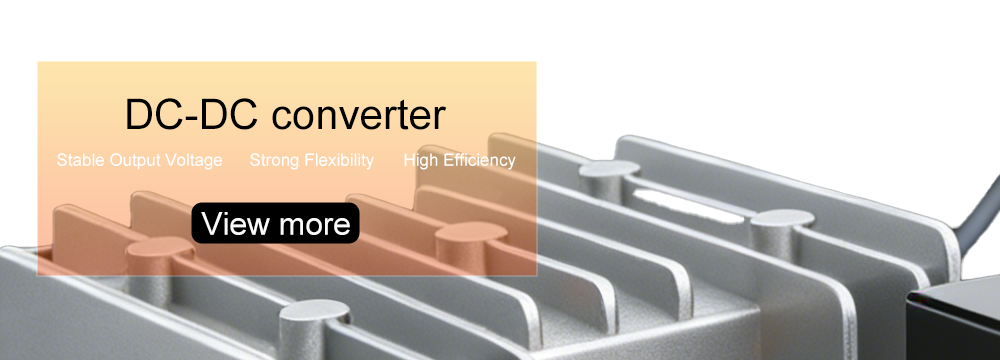
Rail transit is really important for getting people around cities.When we talk about rail transit we are talking about the rail transit system. This system includes the things on the train and the things on the side of the track like the signals and the communication devices and the things that monitor everything. These things need power to work. That power has to be very good quality. The voltage has to stay the same it has to be able to handle interference, from things and it has to keep working even when things get tough. Rail transit needs all these things to work properly so that the people who use it can get where they need to go. This raises the question: can DC-DC converter truly provide the power required for rail transit equipment?
The answer is yes, absolutely.
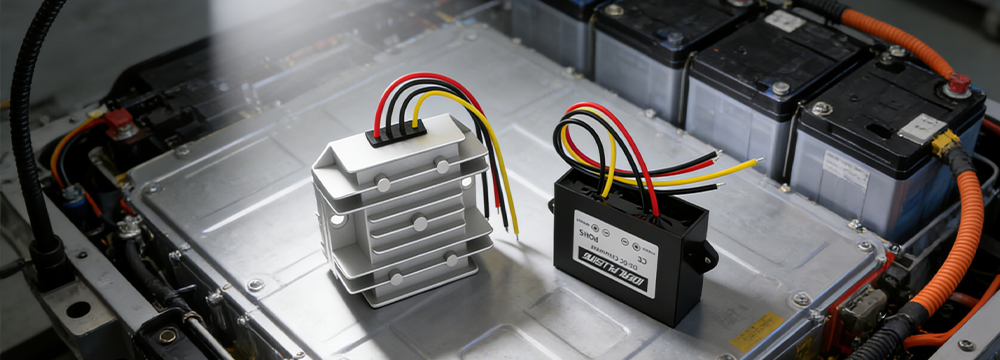
Far more complex than that of typical industrial settings is the power supply environment for rail transit. As a train hurtles along, its pantograph and the overhead catenary may lose contact for split seconds, or trigger abrupt voltage surges and drops. All these glitches stem from the jolts of the moving train and the wear and tear of the components over time.Trackside equipment, on the other hand, is left exposed round the clock to damp, sweltering environments, not to mention intense electromagnetic radiation.Such complex operating conditions, indeed, place extraordinarily stringent demands on power conversion devices—demands for unwavering stability, robust anti-interference capability, and lasting durability.
Industrial-grade DC-DC converters, however, are precisely designed to meet these rail transit-specific requirements.
Looking aton-board equipment applications, a train’s traction system, control system, passenger information system, and other key components all rely on stable DC voltage for power. The output voltage of a train’s main power source often fluctuates, but DC-DC converters can accommodate a wide range of voltage variations via their wide-voltage input design. At the same time, they deliver precise, steady DC power through high-efficiency voltage regulation and filtering technologies—acting as a "reliable safeguard" for core on-board equipment. Isolated DC-DC converters, in particular, can effectively block electromagnetic interference between different circuit modules. This prevents malfunctions in one module from disrupting the entire power supply system, greatly boosting the operational reliability of on-board devices.
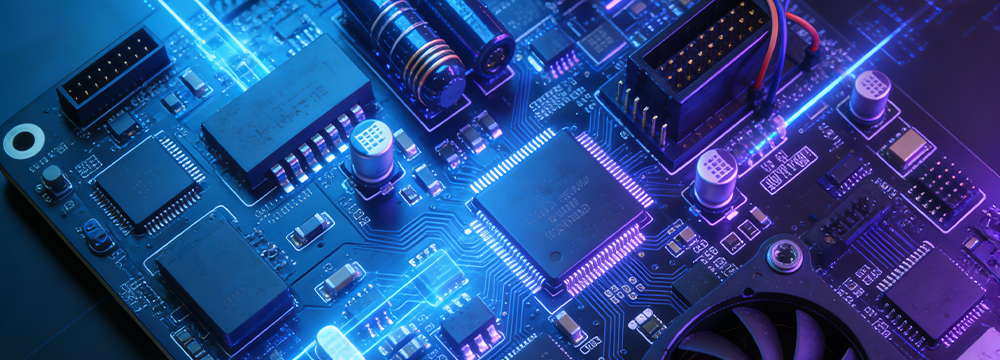
In trackside equipment scenarios, the signaling system serves as the "neural hub" of rail transit. A power outage or unstable voltage could lead to signal malfunctions, resulting in train delays or even service halts. DC-DC converters can accurately convert the trackside power supply voltage to the level required by signaling equipment. What’s more, their outstanding anti-electromagnetic interference performance can ward off the intense electromagnetic radiation emitted by running trains, thus guaranteeing precise signal transmission.
Additionally, industrial-grade DC-DC converters come with moisture-proof, dust-proof and high-temperature-resistant properties. It is these features that allow them to run steadily for long stretches even in harsh operating environments, effectively lowering equipment failure rates.
Beyond ensuring a stable power supply, DC-DC converters also contribute to cost reduction and efficiency improvement in rail transit systems. Their compact, integrated design saves precious installation space for both on-board and trackside equipment, while also cutting down the overall weight of trains.
Ordinary DC-DC converters, of course, are far from being reliable guardians of rail transit power supply. Those destined for rail transit applications must pass rigorous industry certifications. Take the EN 50155 standard for rail transit electronic equipment.
Going back to the original question: Can DC-DC converters guarantee reliable power for rail transit equipment? The answer is obvious. With continuous technological progress, DC-DC converters—with their stable performance and strong ability to adapt to different environments—have become a key part of rail transit power supply systems. They act as the "power managers" of rail transit equipment, quietly ensuring that every train runs safely and on time.
Share our interesting knowledge and stories on social media