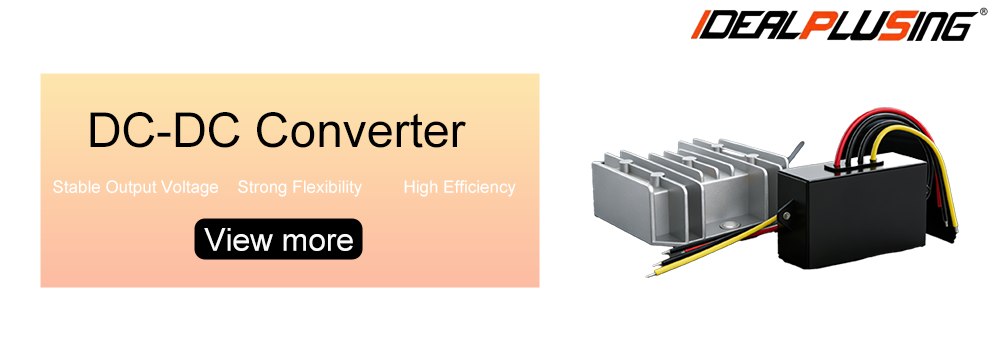
DC-DC converter is really important for power conversion in automation new energy storage and automotive electronics. The stability of DC-DC converters is what keeps the system running smoothly.. When you are actually using DC-DC converters you will have problems like voltage drift, excessive output ripple and module shutdown. These problems happen all the time.
If you do not have a plan to fix these problems you will waste a lot of time and delay your projects. So here is a simple step-by-step process to find faults in DC-DC converters quickly. This will help you fix problems, with DC-DC converters fast.
I. Preparations Before Troubleshooting
Power-off safety check
First you need to cut off the power to the module. Then you have to wait for a while like 5 to 10 minutes so the modules internal capacitors can discharge fully. This is an important step. If you do not do this you might get a shock or your testing tools could get damaged. You have to be careful when working with the modules capacitors. Waiting for the modules internal capacitors to discharge fully is crucial.
Verify basic parameters
You need to make sure the converters input voltage range, output voltage and current and wiring method are what your design specs say they should be. The converters input voltage range and output voltage and current have to be right. A lot of problems happen because the wiring is not done correctly or the converters parameters do not match your design specs. Check the converters wiring method to make sure it matches your design specs.
Prepare testing tools
You will need three tools to do this job. The tools are a multimeter, which is used for reading the voltage and the current. Then you need an oscilloscope this is used to measure the ripple and the transient response of the system. The third tool is a load tester this is what you use to make the system work like it is being used in the world.
II. Step-by-Step Quick Troubleshooting
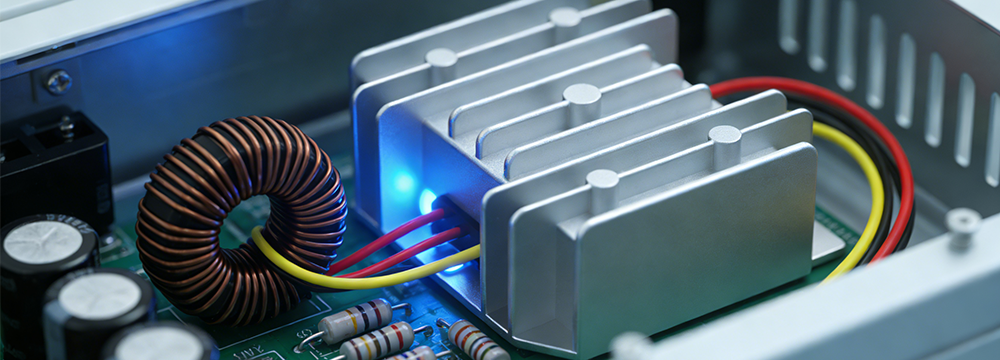
start by checking the power supply that is feeding the converter. We need to make sure the power supply is working correctly and feeding the converter properly.And input issues are really easy to miss. If you check them first it can help you find the problem a lot faster. Checking the input issues away can make a big difference when you are trying to figure out what is going wrong with the input issues.
Symptom 1: No input voltage
Grab your multimeter and test the voltage at the input terminals. If the reading is zero or way below the rated value, check the front-end power source, fuses, and wiring terminals for breaks or loose connections. Vibration in industrial environments often causes loose terminals—so tighten them one by one.
Symptom 2: Excessive input voltage fluctuation
Overvoltage or undervoltage protection will kick in if the input voltage goes beyond the converter’s rated range. Hook up an oscilloscope to look at the input voltage waveform. If you see big fluctuations or voltage spikes, install an input filter capacitor or a voltage regulator circuit. This will shield the module from damaging voltage surges.
III. Output Side Troubleshooting: Are Core Indicators Up to Standard?
Output faults can really mess up the equipment that comes after them. This is the part of troubleshooting that you need to get right. So here are the problems, with output faults that people have the most and what you can do to fix these output faults.
Symptom 1: No output voltage
Start by checking the output fuse to see if it is blown. The output fuse is blown this usually means that the load has a circuit. If the output fuse is fine you should measure the voltage at the converter output pins. If you still do not get any output you need to disconnect all the loads and then test the converter when it has no loads, on it.
No-load output works. The issue is that there is a circuit on the load side. This means you will have to check each of the devices and each of the wires one by one to find the problem, with the downstream devices and the wires.
The thing is not working all even when it is not being used. The problem is with the converter. It is probably because some parts, inside the converter are broken, like the switching transistors or the control chip. The best thing to do is to send it to the factory to get it fixed or just get a new module.
Symptom 2: Output voltage drift (too high or too low)
When the voltage is not what it should be that is a problem. If the voltage is than 5% different from what it is supposed to be that is a red flag. The first thing to do is check the feedback resistor to see if it has changed. The feedback resistor is very important, for getting the output voltage. Next we need to make sure the load is not using much current. If the load is using much current it can cause the voltage to drop. We also need to check if the converter is getting too hot. If it is too hot the control chip will not work right. The voltage will not be stable. The voltage deviation will be a problem if the converter is not working properly. The feedback resistor and the load and the heat are all things to check when there is a voltage deviation.
Symptom 3: Excessive output ripple
Too much ripple can interfere with sensitive downstream electronics. Use an oscilloscope to check the output waveform. If the ripple peak exceeds the specs sheet limits, follow these steps:
Check if the output filter capacitor is aging. Capacitor capacity fades over time, so this is the most likely culprit.
Inspect your wiring. Long output wires or bad grounding can introduce extra ripple into the system.
Install an LC filter circuit if needed, to bring ripple levels down further.
IV. Protection Mechanism Troubleshooting: Is the Converter in Self-Protection Mode?
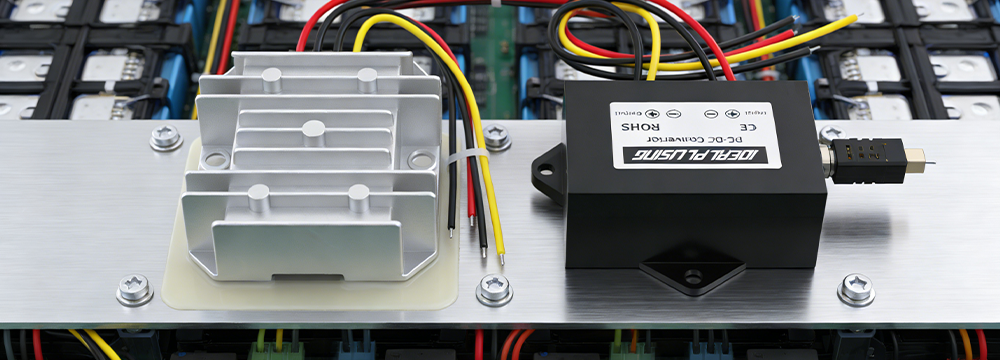
You get good DC-DC converters that have protection, for overvoltage, overcurrent and overtemperature built right in. So when these protections kick in the module might shut down or give you power. People often think this means the whole thing is broken.
When you are using the converter touch the converters casing to see how hot it is. If the converters casing is really hot that is over 85 degrees Celsius you should check a things. You should check if the heat sink is attached to the converters casing. You should also check if the air can flow easily around the converter. This is called ventilation. For machines, in factories that use a lot of power you can add a cooling fan to help keep the converter cool. This can solve the problem of the converter getting too hot.
The module is going to turn off by itself if the current from the load's too much, for it. This means the load is using power than the module can handle. To fix this you can do one of two things. You can reduce the power that the load is using.. You can get a different converter that can handle more power. This way the module will not shut off when the load is using a lot of power. Overcurrent protection is important because it helps keep the module safe.
When you are trying to figure out what is wrong with something you should write down some information. This includes the input voltage,output voltage and load current. These records are really helpful because they will assist you in understanding what the problem is on. The records will also be useful if you need to send the module to the manufacturer to get it fixed. The manufacturer will want this information, from you including the input and output voltage load module temperature.
V. Summary
The golden rule of DC-DC converter troubleshooting is from outside to inside, from simple to complex. Start with input and output wiring and external loads before looking at internal components. Use tools like multimeters and oscilloscopes to locate faults—don’t rely on guesswork. Mastering this process will boost your problem-solving speed and cut down system downtime significantly.
Share our interesting knowledge and stories on social media