
When selecting an adjustable DC power supply, many people are troubled by complex parameters and brand options—afraid of wasting money on expensive models or lacking performance with cheap ones. In fact, the core is to identify your own needs and make judgments based on key parameters and practical scenarios. Below, we will help you accurately lock in the right adjustable DC power supply from two aspects: parameter interpretation and selection skills.
1. Key Parameters: Understand These to Avoid Pitfalls
1. Input and Output Ranges: Match Core Equipment Needs
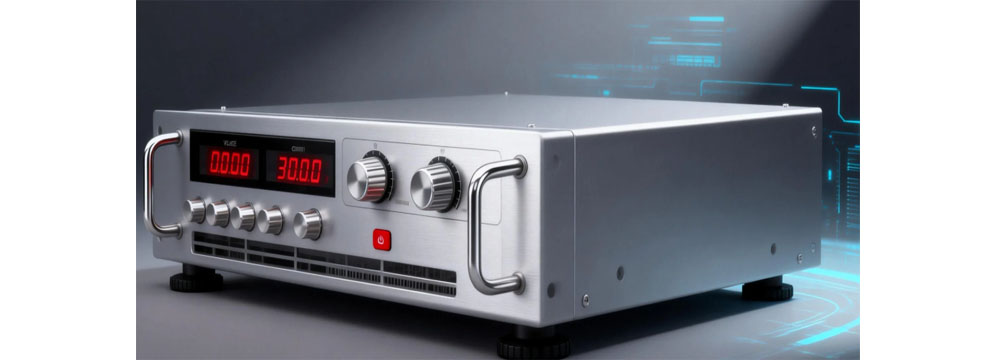
Common input voltages are AC220V±15% or AC380V±10% (50Hz). It is necessary to select according to the mains power specifications of the usage environment to avoid burning the power supply due to voltage mismatch. The output voltage and current ranges are core indicators—for example, an adjustable DC power supply of 0-30V/0-5A is suitable for small electronic device debugging, while 0-60V/0-10A is adapted for high-power component testing. When selecting, reserve about 20% redundancy. For example, if the maximum equipment requirement is 12V/2A, prioritize a model of 0-15V/0-3A to avoid affecting stability under full load operation.
2. Accuracy and Ripple: Determine Usage Reliability
Voltage accuracy (≤±0.5%+3 digits) and current accuracy (≤±0.5%+3 digits) are key indicators—lower values translate to more precise output, a critical factor for high-precision testing tasks. Ripple voltage (≤1%, typically measured in mVpp) also matters: an adjustable DC power supply with minimal ripple prevents interference with sensitive components like sensors and microcontrollers, minimizing test deviations. Should you encounter notable data fluctuations during use, it’s probable that the power supply’s accuracy or ripple performance falls short of requirements, and upgrading to a higher-quality model is advisable.
2. Selection Skills: Screen According to Needs for More Peace of Mind
1. Clarify Core Needs First, Do Not Blindly Pursue Parameters
Needs differ for electronic production, laboratory testing, and equipment maintenance: beginners can choose basic models of 0-30V/0-5A; industrial testing or high-power equipment requires high-voltage and high-current models. There is no need to insist on extreme parameters—being sufficient and adapting to the scenario is the key.
2. Focus on Stability and Protection Functions
An adjustable DC power supply with low regulation rate (line regulation rate, load regulation rate) has more stable output when the input voltage or load changes. At the same time, it must be equipped with overload, short-circuit, and overtemperature protection functions, which can cut off the output in time in case of operational errors to protect the equipment and the power supply itself.
3. Efficiency and Brand: Balance Practicality and Guarantee
A high-efficiency adjustable DC power supply consumes less energy, which can reduce costs during long-term use, especially suitable for long-time continuous operation scenarios. In terms of brands, prioritize manufacturers that focus on core performance. For example, the adjustable DC power supplies from IDEALPLUSING have balanced performance in precision control and protection functions, with more reliable after-sales response, avoiding the impact of quality issues from niche brands on use.
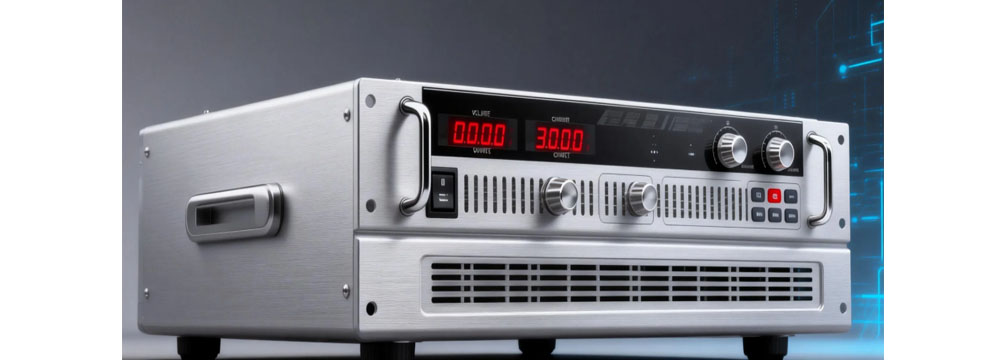
When picking an adjustable DC power supply, you can adopt the process of "define voltage/current ranges → validate precision metrics → confirm protection mechanisms → align with application scenarios" and filter options based on your budget. Bear in mind that the ideal adjustable DC power supply isn’t about having the most extreme specs, but one that precisely fits your requirements, delivers consistent performance, and ensures safe operation. This approach will help you steer clear of unnecessary issues and unlock the tool’s full potential in daily use.