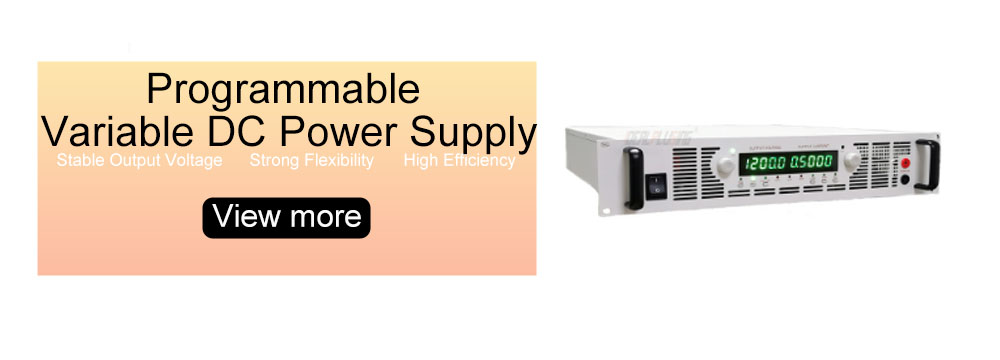
I. The Cause of 90% of Debugging Disasters? Unveiling the 3 Most Critical, Hidden Faults in Power Supply Systems
1.Voltage Droop at the Moment of Startup
Standard fixed-output power supplies often lack sufficient peak power headroom. When the device is powered on, the sudden surge in startup current from the components instantly drags down the bus voltage. Consequently, the main control unit fails to receive its rated startup voltage, resulting in an immediate "black screen." While a visual inspection might show the *no-load* voltage reading meeting specifications, the instantaneous voltage drop under *load* often falls outside the chip's tolerance range—a transient fluctuation that is extremely difficult to capture using a standard multimeter's single-point measurement.
2. Excessive Ripple: A Hidden Source of Interference
If a switching power supply generates excessive ripple, electrical noise can easily infiltrate the main control unit's power supply pins. When the noise level at the chip's power input exceeds acceptable limits, it can trigger internal protection mechanisms, causing the chip to lock up and prevent the device from booting. Standard multimeters are incapable of accurately measuring high-frequency ripple; therefore, relying solely on static voltage readings to diagnose hardware faults makes it all too easy to misidentify the true source of the problem. 3. Mismatched Output Current Limit Thresholds
When a device experiences a localized short circuit or component leakage, a power supply lacking precise, adjustable current limiting presents two possible scenarios: either the power cuts off immediately, causing a shutdown, or a sustained high current flows through the system, burning out the circuit board. If the current limit is set too high, it fails to provide effective hardware protection; conversely, if set too low, the device may be unable to boot up normally.
II. Say Goodbye to the Risk of Burnt Boards! Why Are Senior Engineers Switching to Programmable, Adjustable Power Supplies?
During the hardware R&D and prototyping phases, the biggest headache for engineers is often not the design itself, but rather the uncertainty surrounding the power supply environment. Traditional power supplies with fixed parameters struggle to flexibly adapt to the ever-changing requirements of prototypes, leading to numerous intermittent faults that are difficult to reproduce. To overcome this bottleneck, adopting a wide-range, programmable, a nd adjustable power supply has become a key strategy for many senior engineers looking to boost their debugging efficiency. This approach primarily resolves the following three core challenges:
First: Comprehensive Operational Simulation. By continuously adjusting voltage and current levels, engineers can precisely simulate every operational state—from no-load and light-load conditions to full-load and surge-start scenarios—leaving no hiding place for those elusive "black screen on startup" faults that are typically so hard to catch.
Second: Transient Capture. Utilizing high-precision ripple control and real-time data acquisition, engineers can capture millisecond-level voltage drop curves the instant power is applied, helping them quickly pinpoint exactly which link in the power supply chain is the weak point.
Third: Fault-Tolerant Protection. Debugging inevitably entails the risk of short circuits; however, by implementing segmented current limits and a triple-layer protection system (covering over-current, over-voltage, and over-temperature conditions), engineers can effectively prevent accidental damage to expensive main control boards caused by operational errors, thereby significantly reducing the costs associated with trial-and-error debugging.
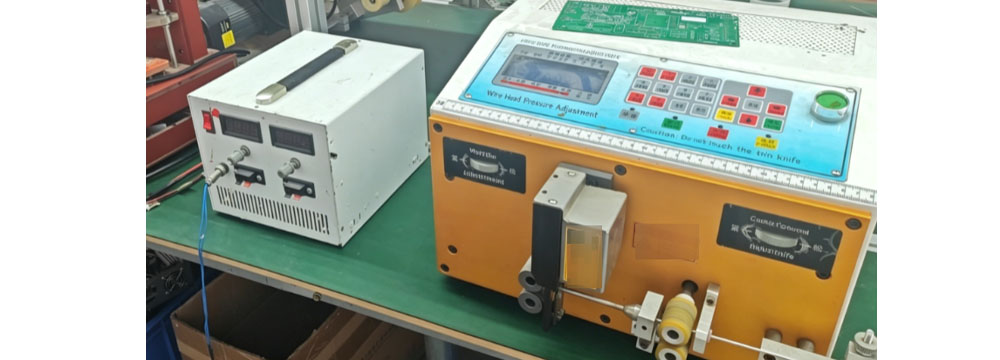
III. Stop Blindly Disassembling Devices When the Screen Stays Black at Boot-Up! This "Golden" Troubleshooting Sequence Can Save You Half a Day of Work
When encountering a prototype that fails to boot during debugging, many engineers' first instinct is to suspect a cold solder joint or a damaged component on the mainboard, prompting them to rush for a soldering iron and start disassembling the device. In reality, however, the majority of these "false faults" stem from a mismatch in the power supply environment. Before resorting to disassembly, it is highly recommended to strictly follow the troubleshooting sequence below; doing so will often allow you to quickly pinpoint the root cause of the problem:
Step 1: Retest with a high-precision adjustable power supply to eliminate original power supply accuracy and load issues and guarantee stable, clean input power. |
Step 2: Test voltage ripple under no-load and load states to check for abnormal fluctuations. |
Step 3: Adjust current limit parameters dynamically; simulate actual working conditions to verify if overstart current triggers device protection. |
Only after thoroughly ruling out any issues within the power supply chain should you proceed to disassemble the unit and inspect the mainboard; this approach can significantly reduce the time wasted on ineffective troubleshooting.
If you frequently encounter issues with prototype startup anomalies, system crashes under load, or drifting test data—and are unsure whether the problem stems from an improper power supply selection—please leave a comment below listing your device's rated specifications. We will be happy to assist you, free of charge, in analyzing and identifying the appropriate power supply specifications for your needs.