1. Getting to Know the Adjustable Power Supply
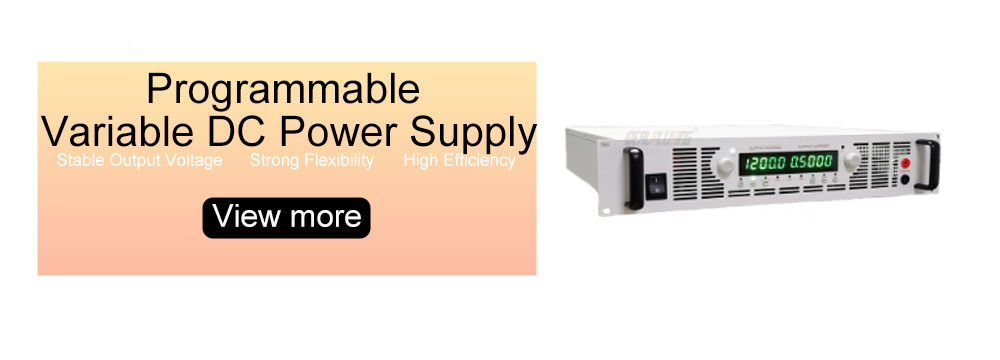
In electronic DIY, home appliance repair, laboratory testing and other scenarios, fixed-voltage power adapters often fall short, as different components and circuits require various power parameters. This is where the Adjustable power supply comes in. Also known as adjustable DC regulated power supply, the Adjustable power supply can freely adjust output voltage and current within the rated range while maintaining stable power supply. It meets both precision power supply for low-power components and testing needs for high-power loads, making it a highly versatile basic device in electronics.
Many people mistake the Adjustable power supply for a "voltage-adjustable charger", but it is far more than that. Built with voltage-stabilizing filtering and overload protection circuits, the Adjustable power supply isolates interference from mains fluctuations, outputs pure and stable DC power, and avoids damaging precision components caused by voltage burrs and current surges — a core advantage that ordinary charging devices cannot match.
2. Core Advantages and Applications of the Adjustable Power Supply
Compared with traditional fixed power supplies, the Adjustable power supply has three highlights: first, adjustable parameters, with voltage and current set on demand to fit multiple scenarios; second, stable voltage and current limiting, with high output accuracy and minimal parameter fluctuations when loads change; third, safety protection, with built-in overvoltage, overcurrent and short-circuit protection to reduce operational risks.
The Adjustable power supply covers a wide range of daily applications: electronic enthusiasts powering single-chip microcomputers and sensors, maintenance technicians detecting circuit boards and activating batteries, school laboratories conducting circuit teaching experiments, and even small industrial equipment debugging. Whether it’s low-voltage low-current precision testing or conventional power supply testing, a suitable Adjustable power supply can handle it easily.
3. Selection and Usage Tips for Beginners
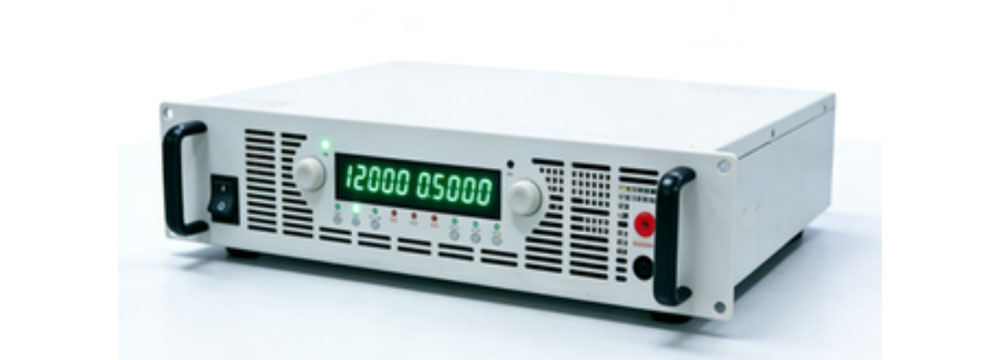
Beginners don’t need to blindly pursue high power or high prices when choosing an Adjustable power supply. For home repair and DIY entry, a basic 0-30V, 0-5A model is sufficient for most daily operations; for professional laboratories or industrial tests, high-power, high-precision models are optional. Focus on output accuracy, ripple coefficient and operation convenience; digital display models are more readable and intuitive than pointer ones.
Many brands on the market balance performance and usability. For example, IDEALPLUSING’s Adjustable power supply optimizes the operation interface for beginners, with smooth adjustment knobs, clear digital display values, fast voltage stabilization response and complete protection functions. It meets the needs of entry-level enthusiasts and adapts to simple professional tests, with outstanding cost performance.
Follow basic rules when using the Adjustable power supply: cut off power before wiring, ensure correct positive and negative poles before energizing; set target voltage first, then adjust current limiting step by step; power off before disconnecting wires after use to avoid short circuits and sparks. Keep the equipment dry and clean when not in use for a long time, and power it regularly for maintenance to extend service life.
4. Wrap-up
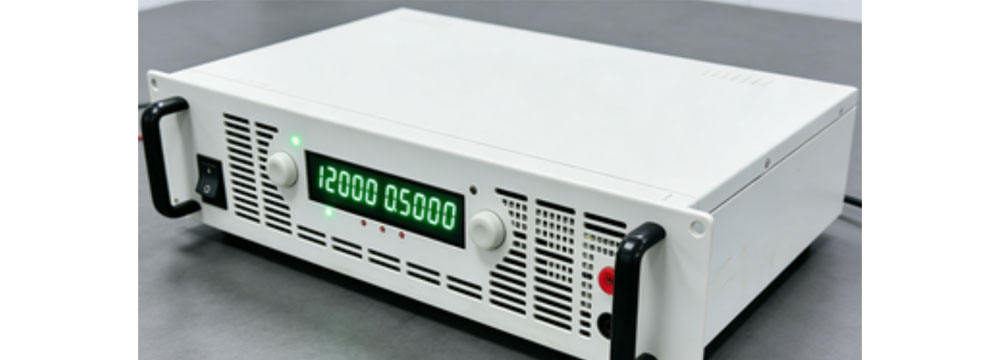
The Adjustable power supply seems professional and complex, but it is easy to use, focusing on three key points: voltage adjustment, current limiting and protection. It not only solves the problem of mismatched power supply in multiple scenarios, but also protects electronic operations and reduces equipment damage and operational errors. For electronic beginners, maintenance personnel and experiment enthusiasts, a reliable Adjustable power supply greatly improves operational efficiency and makes electronic learning and testing more effortless.