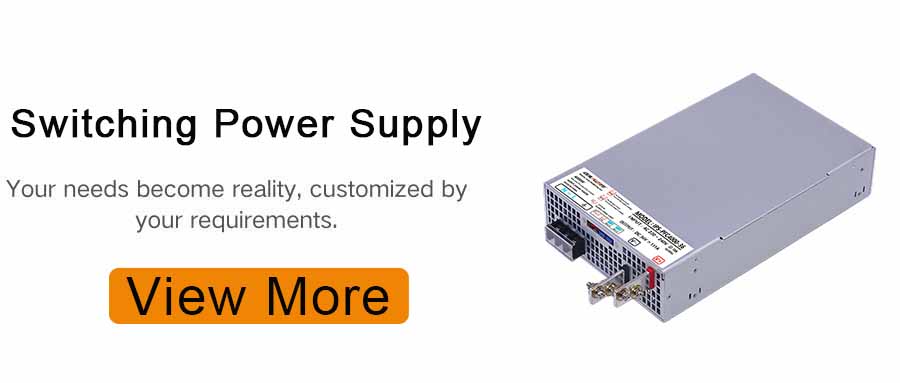
Switching power supply serves as the core power supply component in industrial control, communication equipment, intelligent terminals and other scenarios. During long-term operation, it is prone to problems such as no output, poor load capacity, breakdown, excessive heat, whistling noise, and large output ripple, which affect the stability and service life of equipment. In daily maintenance and fault location, mastering the causes and handling ideas of these typical abnormalities can quickly identify hidden dangers and reduce downtime risks.
1. No Output of Switching Power Supply
No voltage output after the switching power supply is connected is the most common startup fault, mostly caused by abnormal input circuit, failure of the startup link or protection triggering. Blown input fuse, broken varistor, and damaged rectifier bridge will directly block the high-voltage power supply path; bulging or depleted high-voltage filter capacitors will result in insufficient bus voltage. The control chip not getting the startup voltage is mostly due to open-circuit startup resistors or faults in the chip power supply loop. In addition, short-circuit at the output end or overcurrent protection action will lock the switching power supply and cause no output. When troubleshooting, first confirm the normal input power supply, then check the fuse, rectifier and filter units, and finally verify the startup loop and protection status, and the fault can be quickly located in most cases.
2. Poor Load Capacity of Switching Power Supply
Poor load capacity is characterized by normal no-load voltage of the switching power supply, but rapid voltage drop, protection shutdown or abnormal operation after loading. The core causes focus on the power loop and filter link. Attenuated performance of switching tubes and local inter-turn leakage of high-frequency transformers will reduce power transmission efficiency; aged output rectifier diodes and increased loss of freewheeling diodes will aggravate voltage drop and heating. The reduced capacity and increased equivalent series resistance of electrolytic capacitors after long-term use are the main causes of poor load capacity, especially in switching power supplies operating for a long time in industry and outdoors. Drift of the feedback loop and insufficient voltage regulation accuracy will also lead to failure of voltage regulation under heavy load. Replacing aged capacitors, detecting the status of power devices, and optimizing load matching can significantly improve load performance.
3. Breakdown of Switching Power Supply
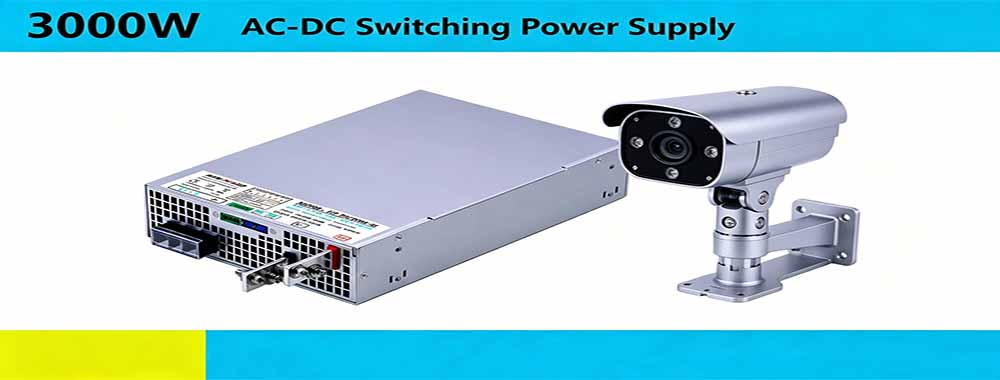
Breakdown of switching power supply is a serious fault accompanied by blown fuse, burned components, peculiar smell or arcing, mostly caused by short circuit, overvoltage or surge. Lightning strike and sudden voltage rise at the input side will break down varistors and filter capacitors; short circuit of switching tubes and rectifier bridges will form a high-current loop, burning fuses and surrounding components instantly. Severe short-circuit or wiring errors at the output end will cause overload impact on the switching power supply, leading to breakdown of internal devices. Inferior switching power supplies without complete overcurrent, overvoltage and surge protection designs are more prone to such problems. Proper input protection, standardized wiring and selection of reliable brands in daily use can greatly reduce the probability of breakdown.
4. Excessive Heat of Switching Power Supply
Abnormal temperature rise and hot shell of the switching power supply during operation will accelerate component aging and trigger overheating protection in the long run. Poor heat dissipation is a common inducement: stopped fans, dusty heat sinks and closed installation space will all cause heat accumulation. Load exceeding the rated power of the switching power supply and long-term full-load operation will significantly increase internal loss. Deteriorated performance of power devices and rectifier tubes, as well as increased conduction loss, will also cause local overheating. Maintaining ventilation and cleanliness, avoiding overload, and regularly maintaining the heat dissipation system can effectively control temperature rise. In high-reliability applications, switching power supplies focusing on heat dissipation and efficiency design like IDEALPLUSING can better cope with thermal stress in continuous operation.
5. Whistling Noise of Switching Power Supply
High-frequency whistling or squealing noise of switching power supply is mostly related to operating frequency, magnetic components and loop stability. Loose core or poor impregnation of high-frequency transformers produces vibration and noise under alternating current; switching of control modes brings the operating frequency into the audio range, especially in light-load intermittent operation. Unreasonable parameters of the feedback loop and self-oscillation will aggravate noise; virtual welding of capacitors and inductors or abnormal magnetic circuit gaps will also cause whistling. Reinforcing the core, optimizing loop compensation, and checking welding and component status can eliminate abnormal noise.
6. Large Output Ripple of Switching Power Supply
Excessive output ripple will cause abnormal operation, high noise and signal distortion of back-end equipment. The main reasons for increased ripple are reduced capacity of output filter capacitors and increased equivalent series resistance; poor reverse recovery characteristics of rectifier diodes, unreasonable grounding and wiring will introduce high-frequency interference. Unstable power supply of the control chip and excessive feedback delay will also aggravate voltage fluctuation. Using low-impedance filter capacitors, standardizing grounding layout, and optimizing feedback parameters can effectively reduce ripple and improve power purity.
The stability of switching power supply directly determines equipment reliability. Paying attention to load matching, heat dissipation maintenance and input protection in daily use can significantly reduce faults. In case of the above abnormalities, troubleshooting in the order from outside to inside and from easy to difficult can improve efficiency and ensure maintenance safety.